



Highlights, participant insights, and what’s next after our inaugural pre-conference workshop in Miami Beach.
The infusion industry is changing rapidly. As demand for biologics and specialty medications accelerates, the U.S. ambulatory infusion market is expected to more than double—from $8.9 billion in 2024 to $22.5 billion by 2035. At the same time, the profession faces a troubling workforce challenge: nearly 40% of registered nurses plan to retire or leave practice within the next five years, while annual workforce growth hovers at just 0.5% (Transparency Market Research, 2025; Smiley et al., 2025; Bureau of Labor Statistics, 2025).
These trends underscore a critical need: a strong pipeline of well-trained infusion nurses and standardized, scalable training programs that support safety, consistency, and operational excellence.
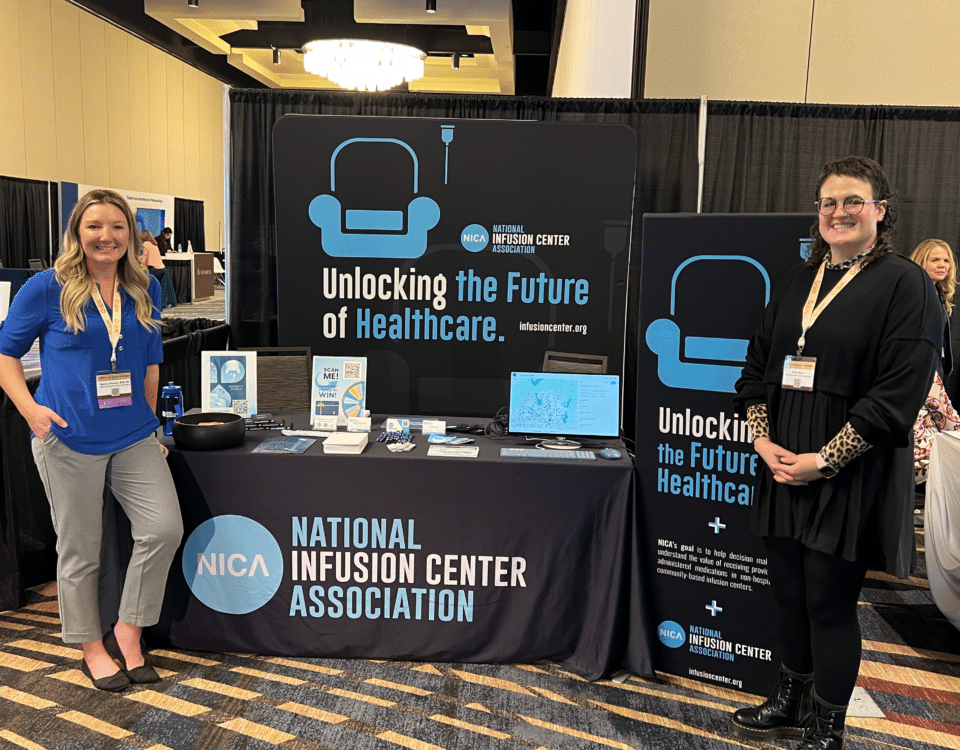
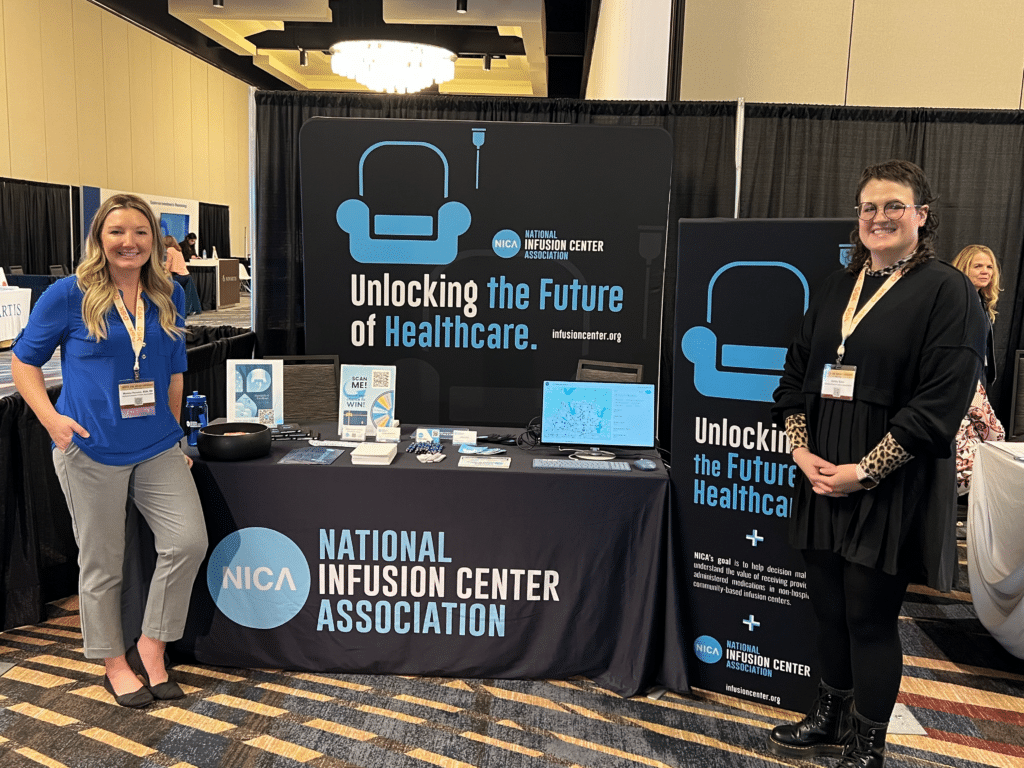
To meet this moment, the National Infusion Center Association (NICA) launched Foundations of Excellence (FoE) on June 19, 2025, in Miami. The inaugural workshop brought together infusion nurse leaders, educators, and managers from freestanding centers, physician practices, and multispecialty settings. Despite diverse backgrounds, attendees shared a common mission: strengthening teams through clear expectations, consistent training, and confident clinical practice.

The Day at a Glance
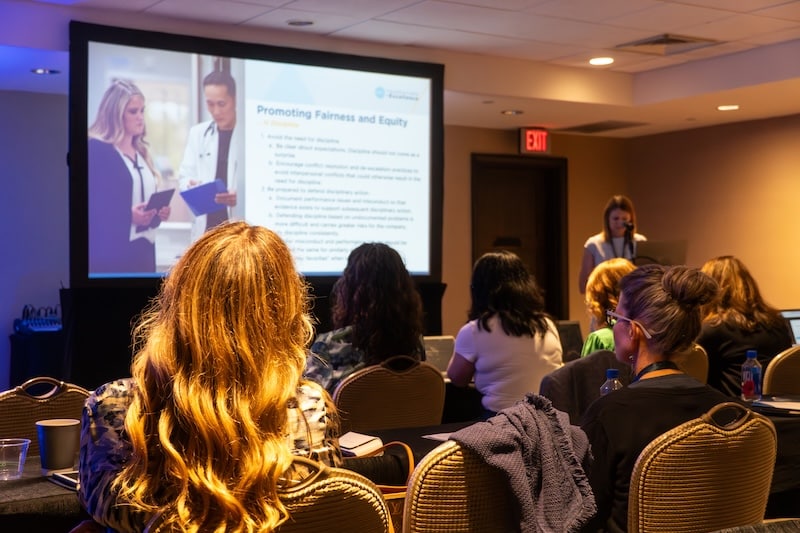
FoE was intentionally designed as an intimate, interactive training environment that encouraged discussion, collaboration, and real-time problem solving. With a train-the-trainer approach and case-based learning, the workshop equipped participants to bring practical improvements back to their centers immediately.
The day opened with attorneys Elizabeth Silker and Wakaba Tessier of Quarles & Brady, who covered best practices for interviewing and hiring, strategies to build equitable teams, and approaches to improve organizational communication and management.
From there, the focus shifted to the practical elements of nurse training with Dr. Su Sepples of the Lunder-Dineen Health Education Alliance of Maine. Drawing on extensive experience in preceptorship and nurse communication, Dr. Sepples reviewed the role of the preceptor, how to set expectations, and shared accountability between preceptor, preceptee, and leadership. She then guided attendees through structured, real-time coaching exercises where small groups practiced delivering effective, trust-building feedback.
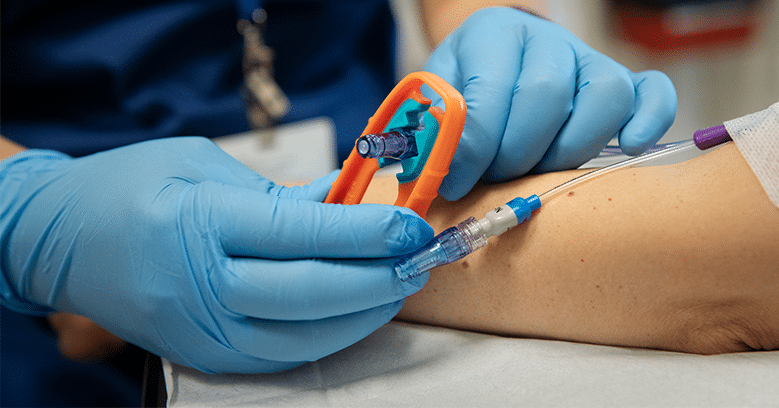
The afternoon concluded with a highly practical session led by representatives from BD and the Infusion Nurses Society (INS)—Alicia Dickenson, Derek Foss, Alicia Mares, and Alicia Steinheiser—focused on troubleshooting, complication prevention, and the management of difficult IV access (DIVA) patients in ambulatory infusion settings.
Tools Designed for Real-World Integration
A defining feature of Foundations of Excellence was its emphasis on actionable, ready-to-use resources. Attendees left with a robust toolkit that included:
- HR compliance checklist
- Personnel file essentials guide
- Quick-reference guide for hiring and interviewing
- Policy templates developed in collaboration with NICA’s accreditation team
- Sample INS vascular access competency assessments (with link to purchase the full INS bundle)
These tools complemented the content of each session, helping leaders bridge the gap between what they learned and how to apply it in day-to-day operations.
What’s Next
Encouraged by the success of the inaugural event, NICA is expanding the program for 2026. Participants can expect deeper tracks on HR compliance and policy development, building scalable competency programs, and strengthening documentation and quality systems. These enhancements will help centers preparing to pursue the NICA-Accredited Infusion Centers of Excellence (AICE) designation and further strengthen the national infusion workforce.
What Participants Told Us
When asked what changes they plan to implement after the program, respondents highlighted:
- Updating or reviewing policies
- Strengthening preceptor programs
- Adding or revising competency tools
- Improving interview and offer letter language
- Tightening PIV insertion practices
Feedback reinforced the program’s impact: 91% reported increased confidence in providing feedback, with more than half noting a significant increase.
Be Part of What’s Next: Foundations of Excellence 2026
The momentum from our inaugural Foundations of Excellence is shaping what comes next. Planning is underway for the 2026 program, designed for infusion nurse leaders, educators, managers, and operators who are committed to building and sustaining high-performing infusion centers.
References:
1. Bureau of Labor Statistics, U.S. Department of Labor, Occupational Outlook Handbook, Registered Nurses. Updated August 2025. Accessed October 2025. https://www.bls.gov/ooh/healthcare/registered-nurses.htm
2. Smiley RA, Kaminski-Ozturk N, Reid M, et al.. The 2024 National Nursing Workforce Survey. Journal of Nursing Regulation. 2025;16(1):S1-S88. doi:10.1016/s2155-8256(25)00047-x
3. Transparency Market Research. U.S. Ambulatory Infusion Centers Market Size & Forecast 2035. Transparency Market Research. Published May 2025. Accessed October 2025.