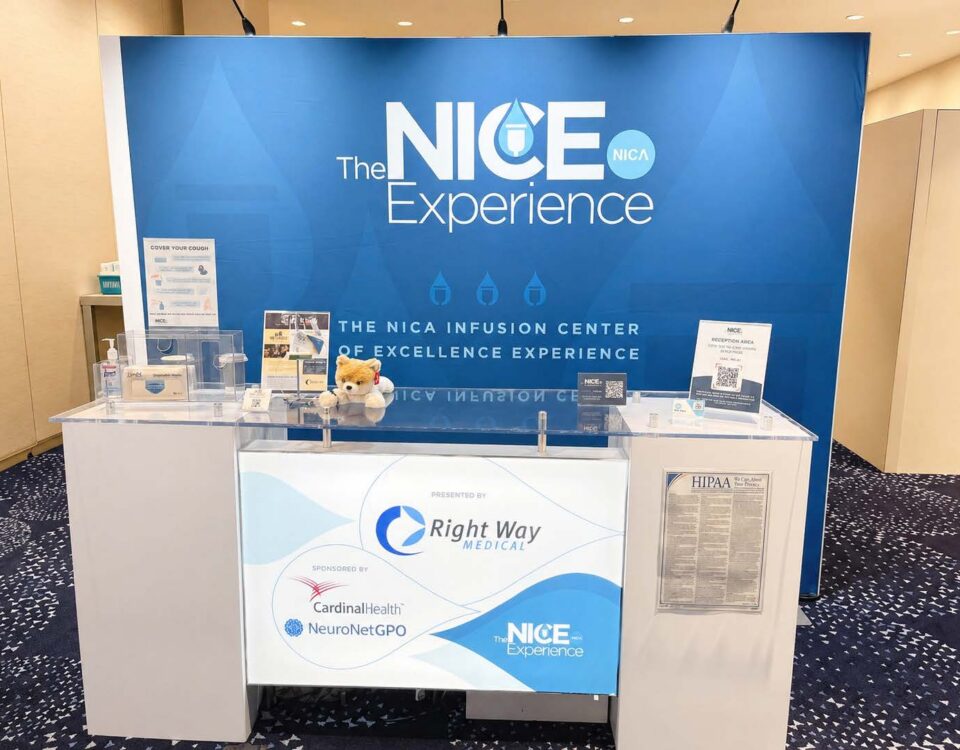



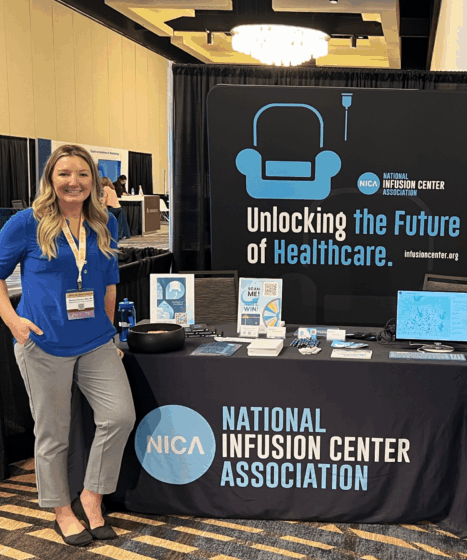
In November, I had the opportunity to represent the National Infusion Center Association (NICA) at the Rheumatology Nurses Society (RNS) Conference in San Antonio, Texas. The annual meeting brought together advanced practice providers, office nurses, and infusion clinicians, many directly involved in operating, staffing, or partnering with ambulatory infusion centers, for two days of education, collaboration, and shared learning.
As more rheumatology practices expand in-office infusion or partner with independent infusion centers, RNS offers valuable insight into the clinical, operational, and patient-care considerations shaping this evolving landscape.
A Space for Connection and Collaboration
One of the most notable aspects of the RNS conference was its intimate, welcoming environment. The size and structure of the meeting made it easy to engage in meaningful conversations with clinicians working across rheumatology offices and infusion settings, many of whom are navigating growth, staffing challenges, and increasing clinical complexity.
At the NICA exhibit booth, we connected with familiar faces and met many new clinicians practicing chairside in rheumatology infusion environments. Our goal in attending RNS was simple but essential: to expand our reach, share practical resources, and support infusion professionals in delivering safe, compliant, patient-centered care.
Throughout the conference, a consistent theme emerged: Rheumatology practices are actively expanding infusion services or exploring how to do so responsibly. There was strong interest in infusion standards, clinical education, and how independent infusion centers can serve as trusted partners in supporting patient access to care.
Education in Action: Supporting Patients Across Care Settings
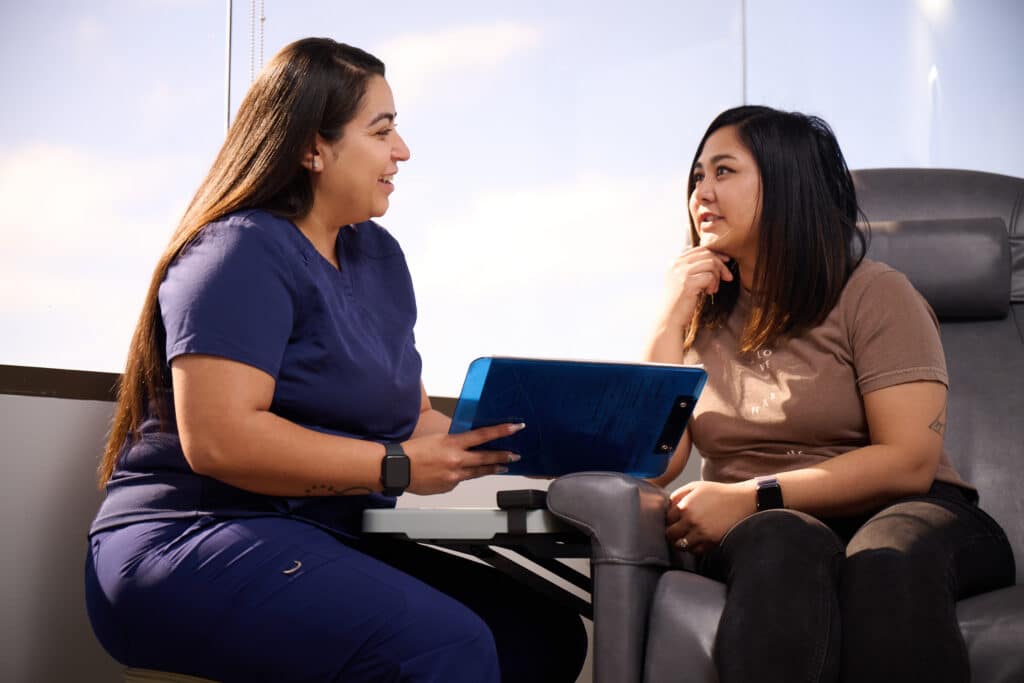
I was honored to present a session titled “From Office to Infusion: Supporting Patients as They Navigate Infusion and Self-Injection Journeys.” This topic resonates deeply with infusion professionals, as nurses and clinicians often serve as the bridge between prescribing providers, infusion centers, and patients managing complex therapies.
During the session, we explored:
- Where infusion therapy fits within the rheumatology treatment pathway and why patients may transition between infusion and self-injection
- Supporting shared decision-making by considering lifestyle factors, clinical needs, and financial realities
- Preparing patients for infusion therapy, including safety protocols, logistics, and strategies to reduce anxiety
- Strengthening communication between rheumatology practices and infusion centers to support continuity of care
- Documenting patient-reported outcomes and quality-of-life measures to support timely treatment adjustments
The discussion reinforced what NICA hears consistently: infusion nurses and clinicians are eager for practical tools and clear guidance that support both patient outcomes and operational efficiency.
Emerging Topics and Industry Trends
Beyond my own session, several themes surfaced throughout the conference, most notably the growing focus on gout management and the emergence of new therapies that may impact both infusion and self-injection models of care.
For ambulatory infusion centers, these developments highlight the importance of staying informed, flexible, and prepared. As treatment options evolve, collaboration between rheumatology practices and infusion providers remains critical to ensuring patients receive the right therapy, in the right setting, at the right time.
Building Relationships Across the Infusion Landscape
One of the most rewarding aspects of attending the conference was connecting with frontline clinicians shaping the future of infusion care. I spoke with providers operating infusion centers within rheumatology practices, as well as those partnering with independent infusion centers to expand access while maintaining safety and compliance.
RNS attracts professionals committed to improving patient experiences, increasing access to care, and seeking education and resources to support sustainable infusion services. These conversations reaffirmed NICA’s role in bridging specialty practices and infusion providers through education, standards, and community.
Why RNS Matters for Infusion Professionals
For infusion center owners, operators, and clinicians, particularly those supporting rheumatology patients, RNS offers valuable education and perspective. The society provides insight into evolving therapies, clinical expectations, and patient needs that directly impact infusion operations and chairside care.
For infusion nurses new to rheumatology or working in multispecialty settings, RNS also offers an excellent opportunity to build connections and stay current in a rapidly changing specialty.
Looking Ahead
NICA’s participation in the RNS Conference reflects our shared commitment to education, collaboration, and clinical excellence. By engaging with organizations like RNS, we can continue to elevate the standard of care in ambulatory infusion and equip professionals with the tools, knowledge, and partnerships they need to succeed.
I’m grateful for the conversations, insights, and relationships that emerged from RNS 2025, and I look forward to continuing this work together.
Interested in learning more? Follow the Rheumatology Nurses Society for updates and educational opportunities, and stay connected with NICA as we continue to support infusion professionals through education, partnership, and advocacy.
About the author:
Monica Parsons, BSN, RN, serves as the Director of Clinical Education for the National Infusion Center Association (NICA), where she leads the development of clinical resources, education, and training initiatives to support infusion providers nationwide. With a strong background in infusion nursing, Monica is dedicated to bridging the gap between manufacturer resources and the hands-on knowledge clinicians need at the chairside. She works closely with nurses, infusion centers, and industry partners to promote standards of excellence, foster community, and advance patient-centered infusion care.